
Manteca Spray Foam Pros installs closed cell spray foam insulation for steel shops, warehouses, and barns in Manteca, CA. The foam seals the building envelope and adds an insulating layer in a single application, which helps reduce summer heat, winter condensation, and rain noise. Our experienced technicians have applied spray foam on metal buildings for seven years, using professional-grade equipment and industry-standard methods.
This page explains how the work is done, what affects the cost, and what to expect from start to finish.
Metal Building Insulation for Properties Across Manteca
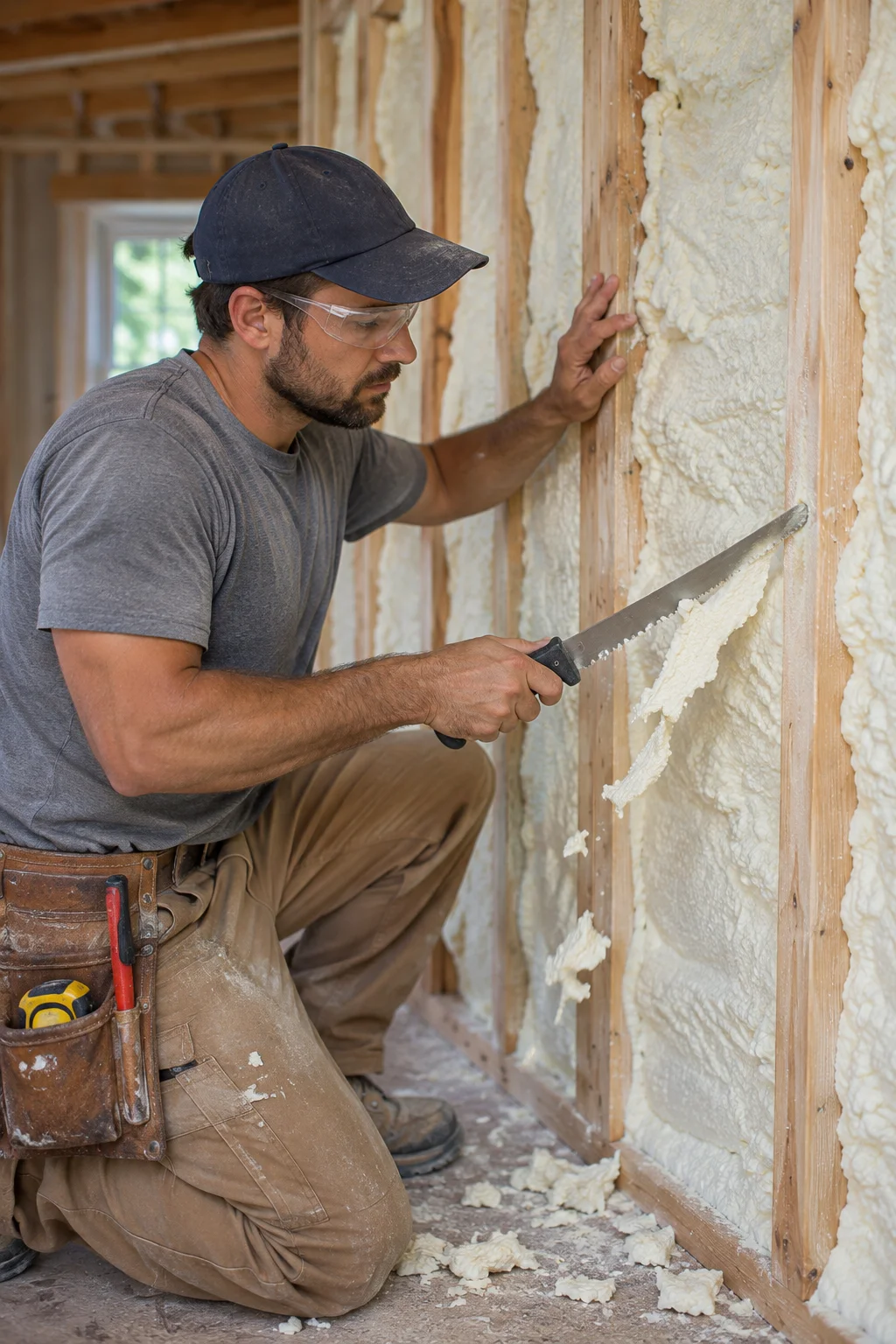
Metal building insulation is the process of adding a thermal and moisture barrier to the roof and wall panels of a steel or pre-engineered structure. For most buildings, our specialists recommend closed cell spray foam insulation. It bonds directly to the steel, which leaves no gaps for air or moisture to travel through.
Our crews insulate a wide range of structures:
- Metal shops and workshops
- Pole barn and agricultural buildings
- Warehouses and storage facilities
- Garages and equipment sheds
- Commercial properties built on steel frames
The Northern San Joaquin Valley around Manteca has long, hot, dry summers and cooler winters with damp mornings and fog. A bare metal building takes the full hit of both. Insulation changes how the building behaves through the seasons, and it makes the space far easier to work in.
Problems We See in Uninsulated Metal Buildings
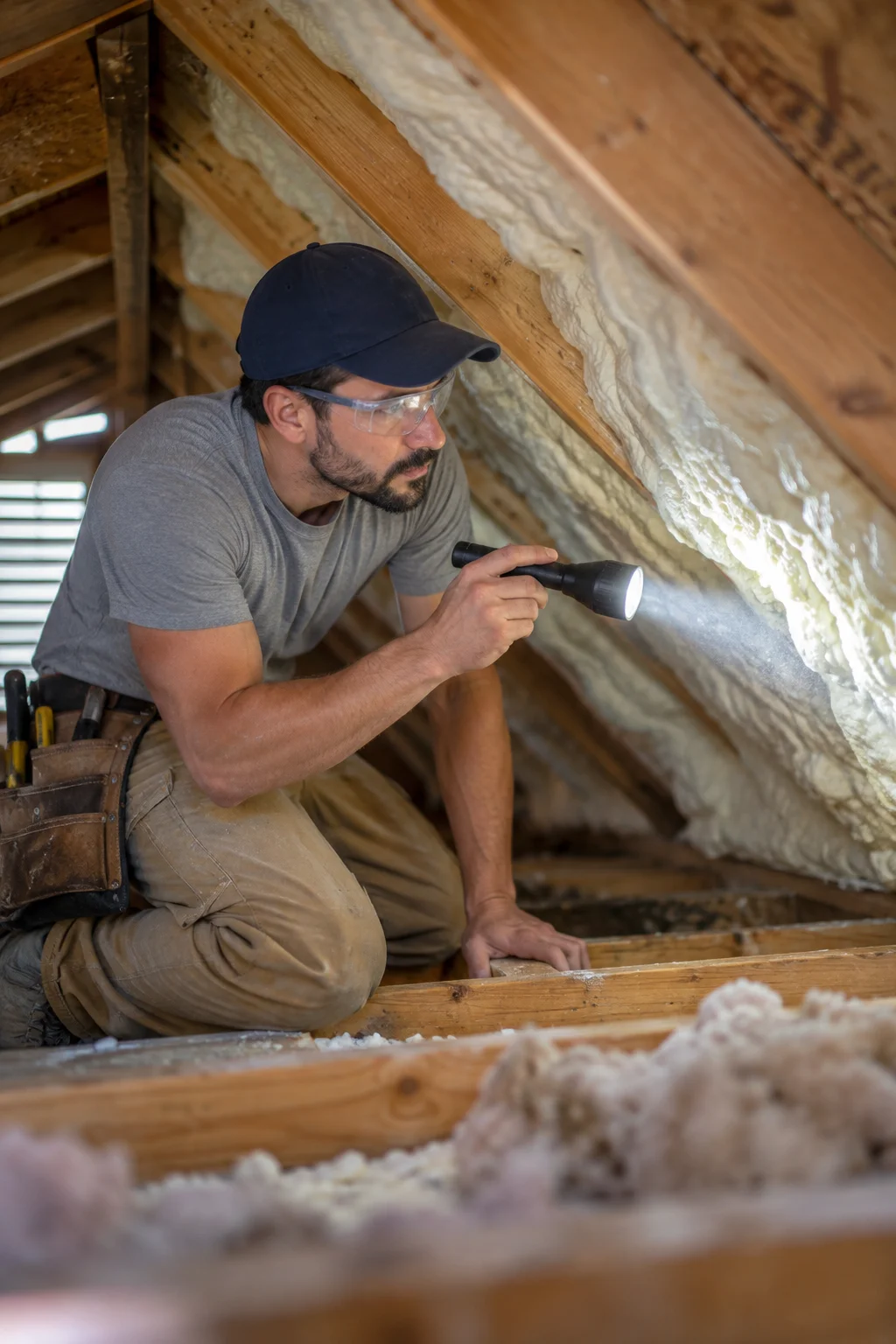
Steel conducts heat quickly. On a summer afternoon, a metal roof can turn the space beneath it into an oven, and the heat lingers well into the evening. In cooler months, the same panels lose warmth fast.
These are the most common complaints from owners of metal buildings in Manteca:
- Condensation. When warm, humid air meets cold steel, water forms on the underside of the panels. Owners call it a sweating metal roof, and it drips onto tools, equipment, and inventory.
- Rust and corrosion. Repeated moisture exposure attacks fasteners, purlins, girts, and panel seams over time.
- High energy bills. Conditioned air escapes through seams, laps, and gaps around doors.
- Drafty buildings. Air moves freely through uninsulated steel.
- Noise and echo. Rain on a metal roof can be deafening, and sound bounces around the open interior.
- Unstable temperatures. Stored products, vehicles, and sensitive equipment suffer when the temperature swings.
Fiberglass batts and blanket insulation often fall short here. Air leaks around them, and moisture can get trapped against the steel. Because spray foam is applied directly to the panels, it addresses air leakage and moisture at the same time.
Our Metal Building Insulation Process
Every building is different, but our technicians follow the same core steps on each project.
1. On-Site Building Assessment
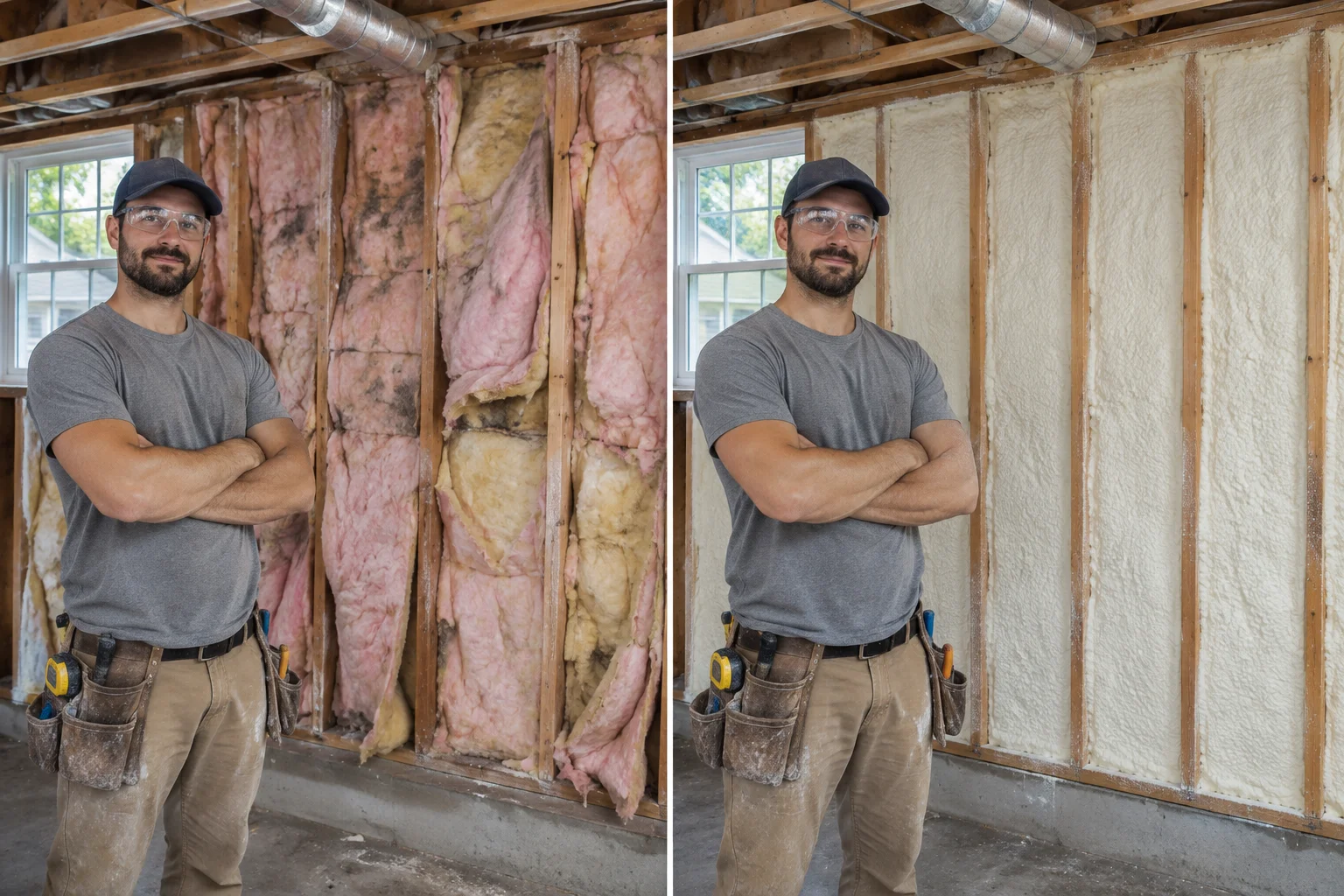
Our specialists visit the property and evaluate the building type, panel condition, existing insulation, and how you use the space. They also talk through your goals, whether that's condensation control, lower cooling costs, or a quieter interior.
2. Material and Thickness Recommendation
The foam type and thickness are selected based on the target R-value and the building's use. Closed cell foam is the usual choice for roof decks and walls on steel buildings because it adds a vapor barrier. The right foam thickness depends on your goals and your budget.
3. Surface Preparation Before Spraying
Foam sticks best to clean, dry steel. Our crew removes loose debris, dust, oil, and surface rust where needed, and masks anything that shouldn't be sprayed, such as windows, doors, and electrical panels. Skipping this step is the most common reason for poor adhesion, so it is never rushed.
4. Spray Application
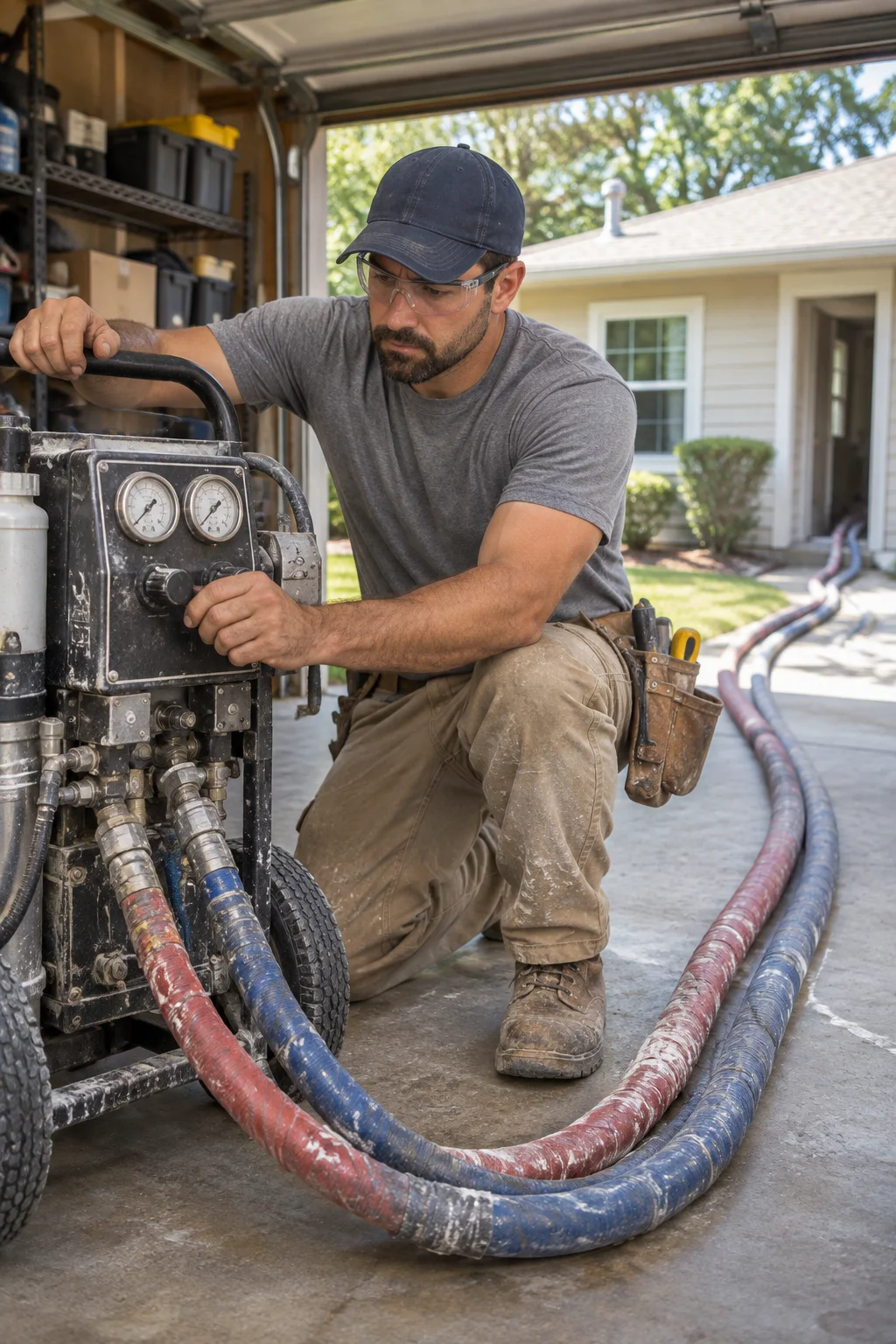
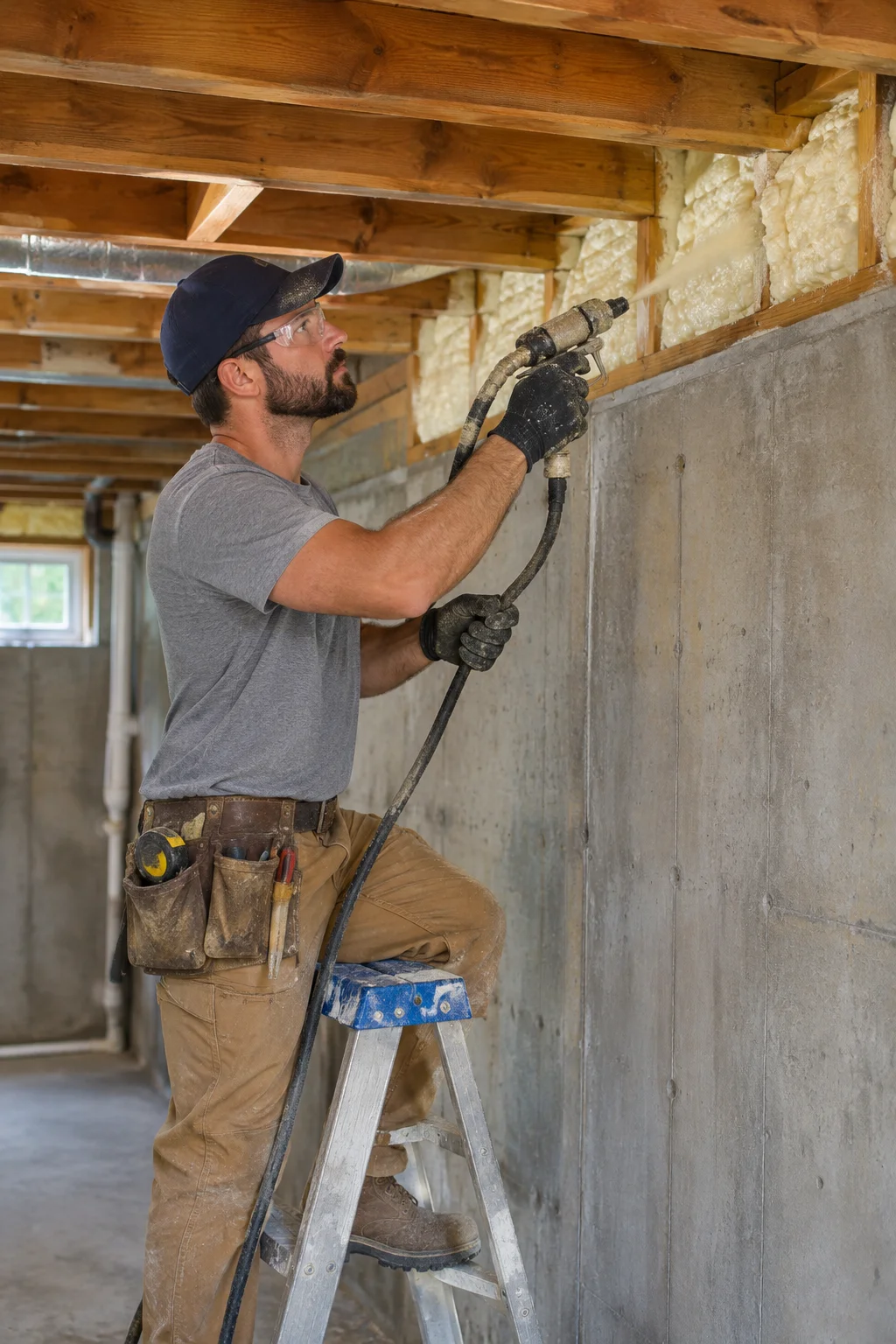
Our trained technicians apply the foam with a professional spray foam rig and proportioner. This plural component equipment mixes and heats the material at the nozzle to keep the ratio consistent. The roof deck and wall cavities are sprayed in controlled passes, with thickness built up in layers. The foam expands to fill seams, laps, and the spaces around purlins and girts.
5. Inspection and Thickness Check
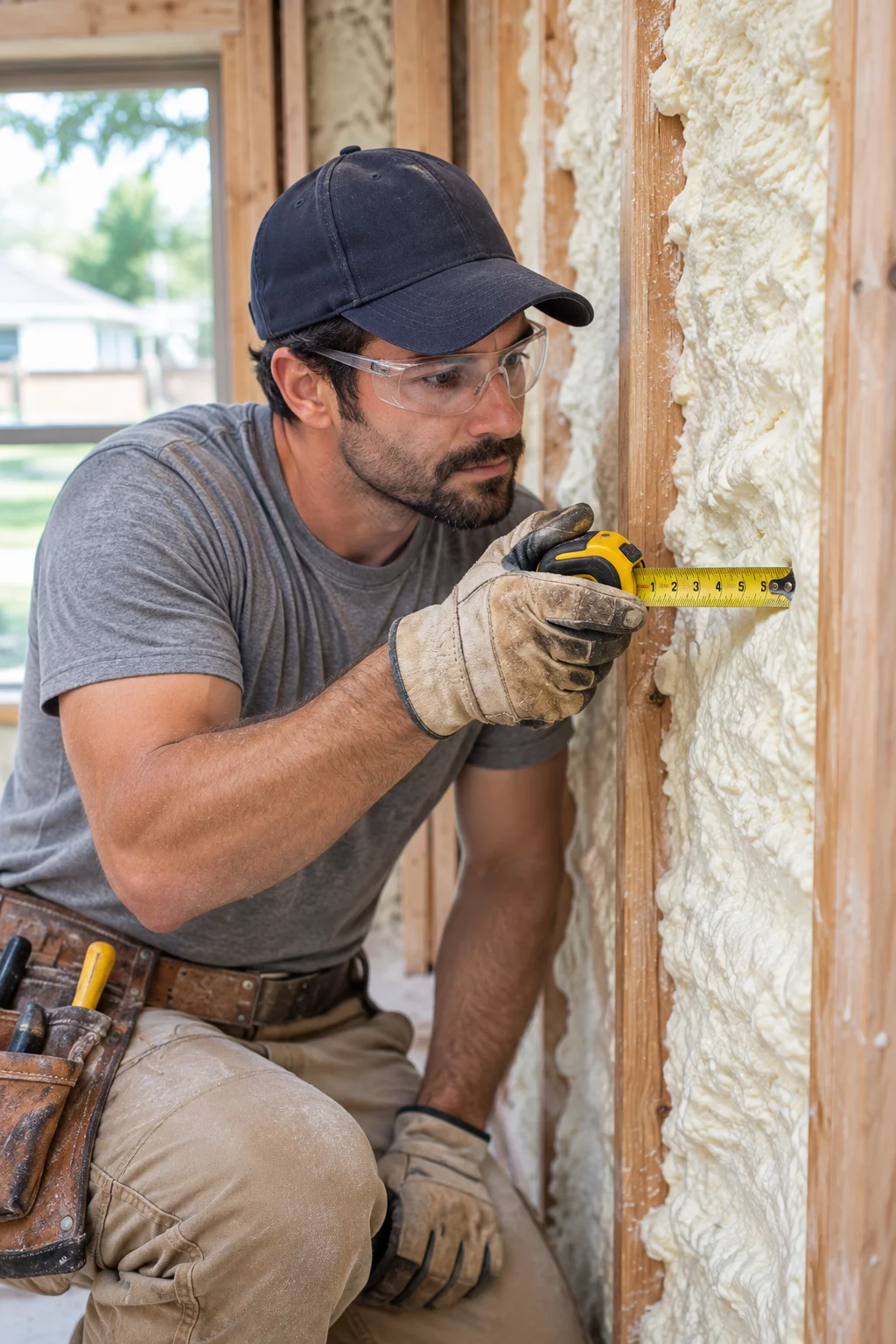
Technicians measure the foam depth at multiple points and check for missed spots, especially at corners, penetrations, and panel transitions. Any thin areas are corrected before the crew moves on.
6. Trimming, Coating, and Cleanup
Where code or the building's use requires it, our crew applies a thermal barrier coating or an ignition barrier over the foam. The team then trims excess material, removes protective coverings, and cleans the work area.
Metal Building Insulation Cost Factors in Manteca
Pricing depends on the size of the building, the foam type, the thickness, and the condition of the steel. The table below shows typical ranges for this type of work. It is not a quote, and actual prices vary from project to project.
| Project Element | Typical Range |
|---|---|
| Closed cell foam on wall panels (1–2 in.) | $2.00–$4.50 per sq ft |
| Closed cell foam on roof deck (2–3 in.) | $3.00–$6.00 per sq ft |
| Surface prep and cleaning | $0.25–$1.00 per sq ft |
| Thermal or ignition barrier coating | $0.75–$1.50 per sq ft |
| Small metal shop (roughly 30 x 40 ft, walls and roof) | $9,000–$22,000 |
| Minimum project or mobilization charge | $500–$1,500 |
Several factors move a project toward the high or low end of these ranges:
- Total square footage of roof and wall surface
- Foam thickness and the R-value you're targeting
- Rust, moisture, or old insulation that must be removed first
- Building height and access for equipment
- Whether a code-required barrier coating is needed
- Scheduling and weather conditions on the spray day
After an on-site review of the building, you receive a written estimate that itemizes the scope of work, so you know what you're paying for before work begins.
Safety and Code Compliance
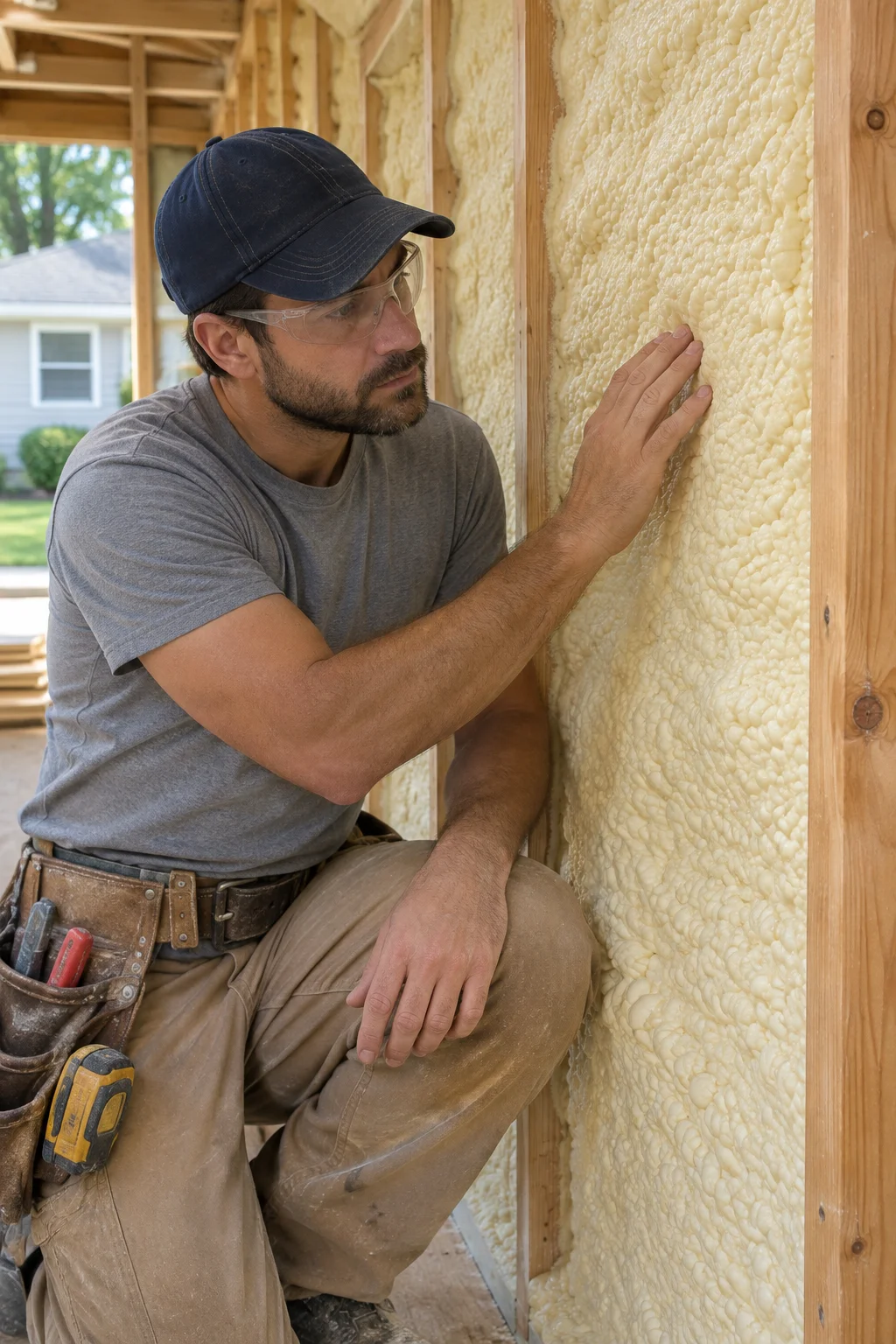
Spray foam is a chemical product, and our safety-focused procedures reflect that. Our technicians wear protective gear and use ventilation during spraying. Owners, employees, and animals need to stay out of the building during application and for the re-entry period that follows.
Foam plastic insulation is regulated under building and fire codes, and requirements can change with the building's occupancy and use. In many commercial and occupied buildings, foam must be covered with an approved thermal barrier or ignition barrier. California energy standards may also apply, depending on whether the space is conditioned.
These requirements are reviewed during the assessment, so you know early whether your project needs a coating, a permit, or both. Our work is planned around applicable code requirements, and we suggest confirming details with the local building department when a project is large or changes how the building is used.
Why Choose Our Metal Building Insulation Team
Insulating steel is different from insulating a wood-framed house, and the details matter. Panel laps, fasteners, and purlins all affect how the foam performs.
Here is what you can expect from us:
- Trained insulation technicians who spray steel buildings regularly and know how foam behaves on metal, backed by seven years of hands-on experience.
- A local office at 2339 W Yosemite Ave in Manteca, so our crews are familiar with the local climate and building styles.
- A written assessment that explains the material, thickness, and scope of work in plain language.
- Commercial and residential insulation services, so our team can handle a backyard workshop or a full warehouse.
- Clean job sites. Equipment is protected, surfaces are masked, and the space is left ready for use.
Our specialists also tell owners when spray foam isn't the right fit. If a lighter solution will solve the problem, that is what they'll recommend.
Metal Building Projects in Manteca
Our work around Manteca covers a range of building types. Customer names are not published, but these are the kinds of projects we handle most often:
- Workshops and garages: Closed cell foam on the roof and walls to cut summer heat and stop sweating panels.
- Agricultural buildings: Insulation for equipment barns and storage buildings on farm and ranch properties, with attention to moisture and dust.
- Warehouses and commercial buildings: Large-scale roof deck and wall applications to stabilize temperatures and protect inventory.
- Pole barns: Wall cavity spray foam between girts to seal drafts and reduce noise.
If you'd like to see examples of similar work before you decide, ask us when you contact the office.
Request a Metal Building Insulation Assessment in Manteca
If your metal building is too hot, too damp, too drafty, or too loud, our local experts can inspect it and recommend a solution that fits. Call our office Monday through Friday, 8:00a to 5:00p, or stop by at 2339 W Yosemite Ave, Suite 2, Manteca, CA 95337.
Tell us about the building, how you use it, and what problems you're seeing. Our team will schedule an on-site assessment and provide a clear written estimate. Manteca Spray Foam Pros is ready to talk through your project.
Related: Spray Foam Roofing · Spray Foam Attic Insulation