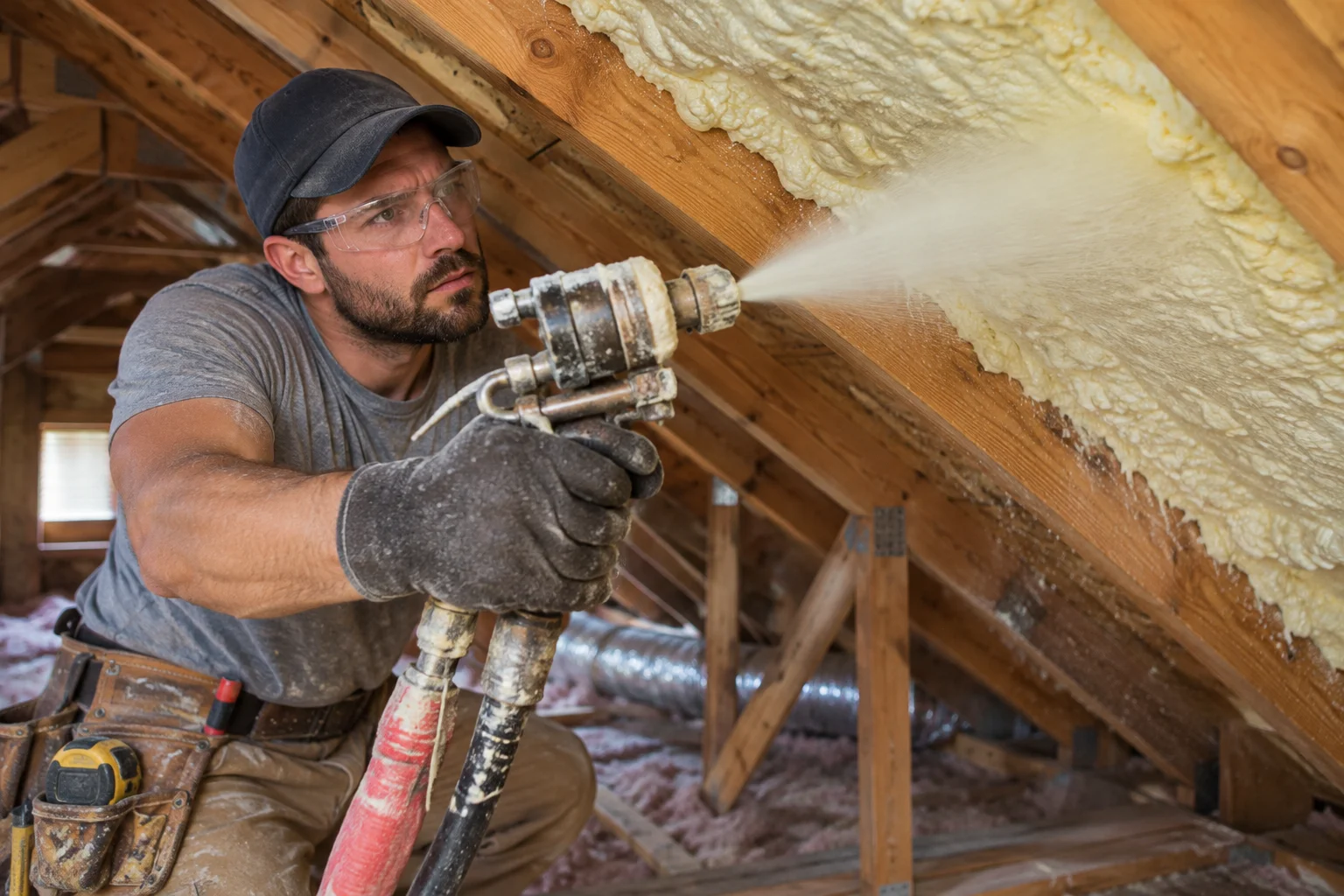
Manteca Spray Foam Pros installs spray foam in attics for homeowners across Manteca, CA. The foam expands on contact and seals and insulates the attic in a single application. It is often the right fix when upstairs rooms run hot, cooling bills climb, or ductwork sits in an attic that bakes all summer. Our technicians have 7 years of local experience with attic spray foam, and this page explains how the work is done, which safety and code points apply, and what affects the cost.
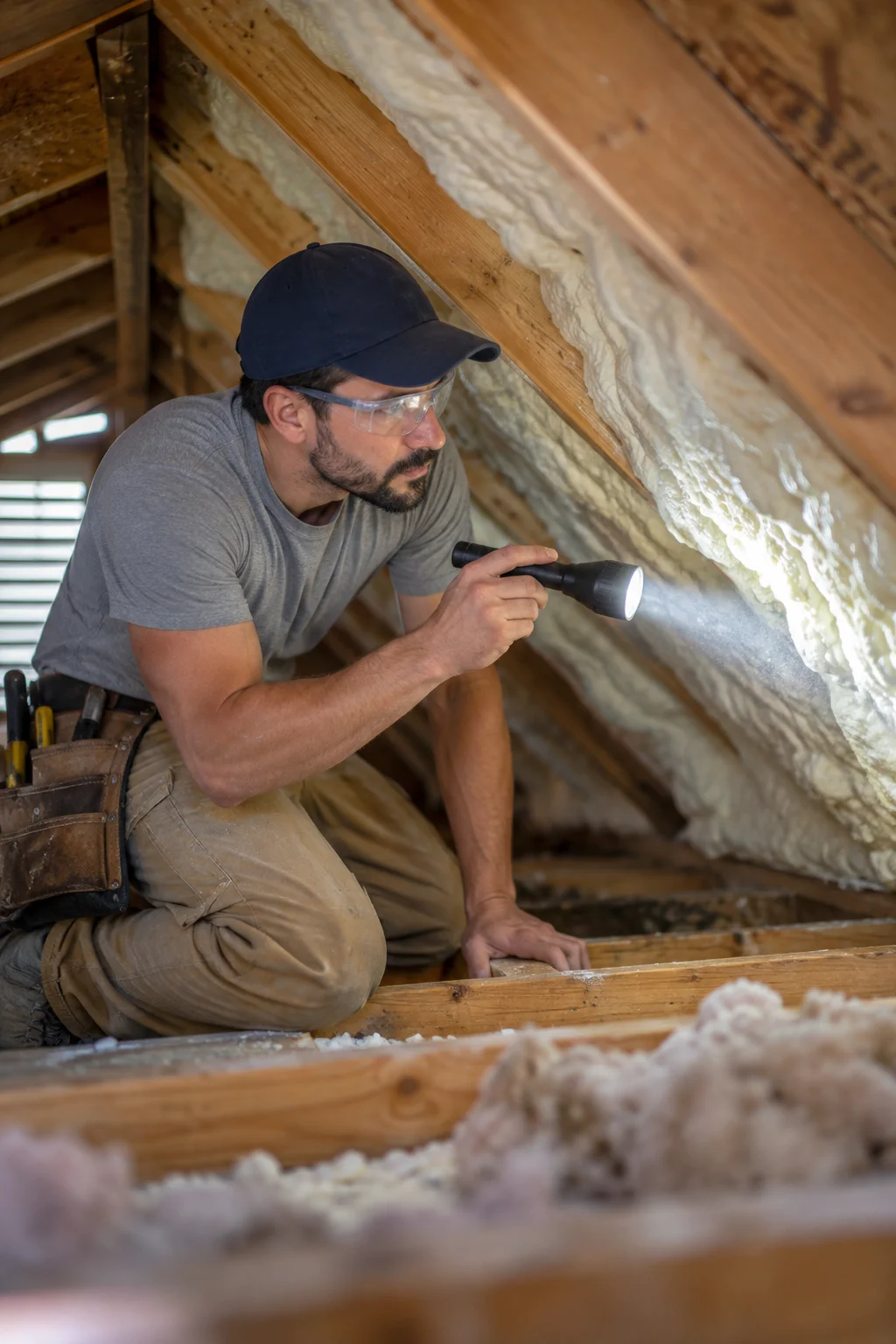
Professional Spray Foam Attic Insulation in Manteca
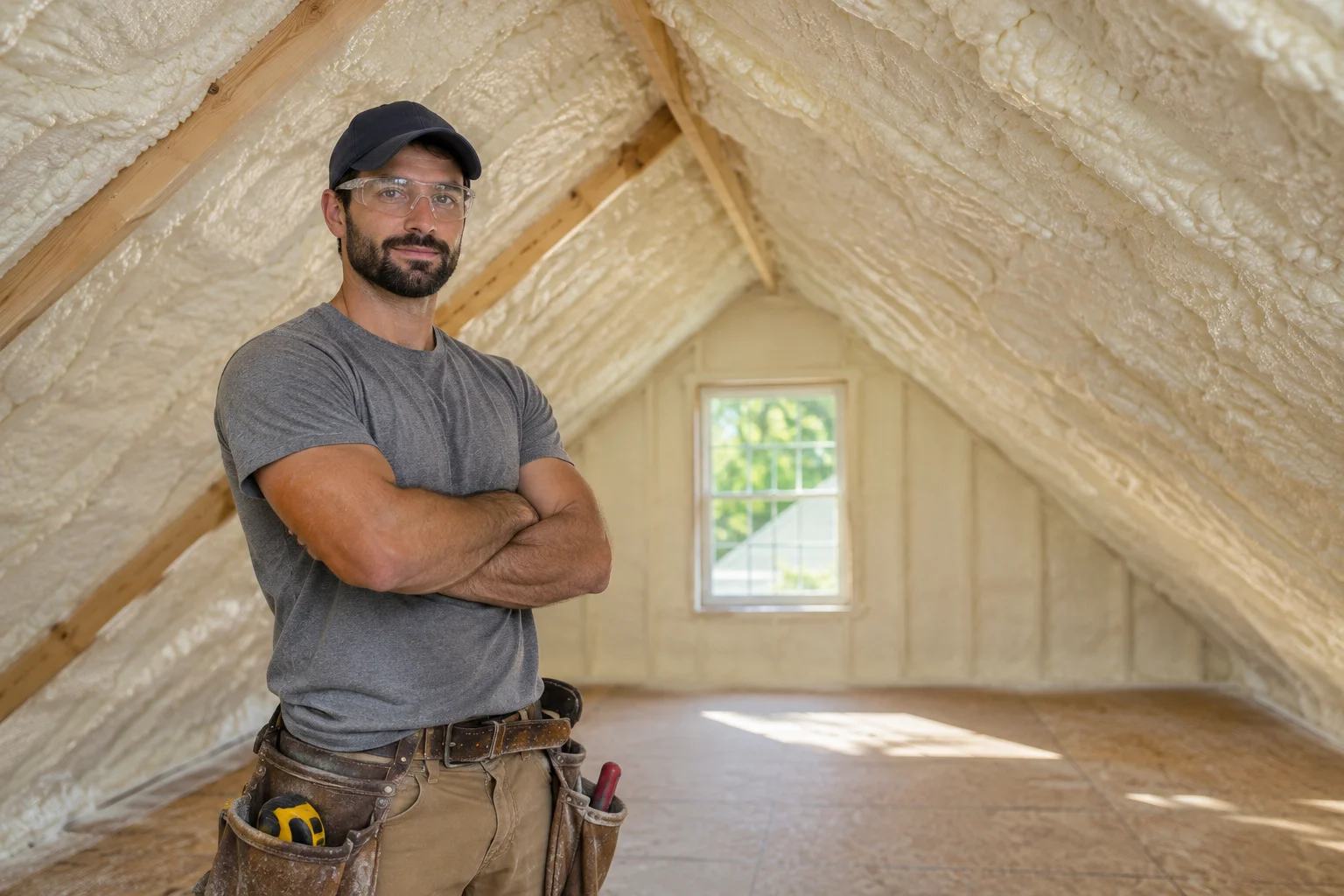
Our technicians insulate attics in two ways. One is on the attic floor, over the ceiling below. The other is at the roof deck and rafters, which creates an unvented attic insulation assembly that brings the attic inside the home's thermal boundary.
Both methods use foam as a seamless air barrier. Unlike batts or loose fill, foam fills gaps, seams, and irregular framing and stops air movement, not just heat flow. That matters for homes throughout the Central Valley, where the attic is often a major source of summer heat gain.
Our work covers residential attic insulation for ranch-style tract homes, newer subdivisions, and outbuildings, and we also serve small commercial buildings and local businesses. Every job begins with an attic assessment and inspection, so the plan matches the building and not a standard package. Our crews use professional-grade spray equipment and follow industry-standard application methods and manufacturer specifications.
Problems Spray Foam Attic Insulation Solves
Summer heat in Manteca puts steady stress on attics. When temperatures climb, an under-insulated attic can reach extreme levels and pass that heat into the living space. The signs are usually easy to spot:
- Hot upstairs rooms and uneven home temperatures from one room to the next
- High energy bills and an overworked air conditioner that rarely shuts off
- Drafty attic air leaks around can lights, chases, and the top plates of walls
- Ductwork in a hot attic that loses cooling before air reaches the vents
- Attic condensation and moisture where warm, humid air meets cooler surfaces
- Dust and allergens from the attic drawn into living areas through leaks
- Pests entering the attic through gaps that older insulation never sealed
Many older homes in the area also have thin, settled, or contaminated insulation. Rodents may have nested in it, or moisture may have compressed it. In those cases, old insulation removal comes before any new foam goes in, because foam should not be applied over damp or contaminated material.
Our Spray Foam Attic Insulation Process
Each attic is different, but our installation follows the same sequence.
- Attic assessment and inspection. Our technicians check the framing, roof deck, ductwork, vents, and existing insulation. Where the situation calls for it, they use thermal imaging inspection to find heat loss and moisture meter testing to check for damp framing.
- Ventilation and moisture review. An attic ventilation assessment tells us whether the attic should stay vented or become unvented. This decision affects which foam is appropriate for the home.
- Customized insulation plan. The plan specifies open cell spray foam or closed cell spray foam for the attic, sets the thickness, and defines the work area. The reasoning is explained in plain terms, including the target R-value.
- Preparation. Crews cover floors and finished surfaces, protect HVAC components, and set up ventilation for the work area. If needed, they do blown-in insulation removal and clear out debris, dust, and rodent droppings.
- Sealing attic bypasses. Before the main application, our specialists seal gaps around chimneys, plumbing stacks, wiring penetrations, and ductwork.
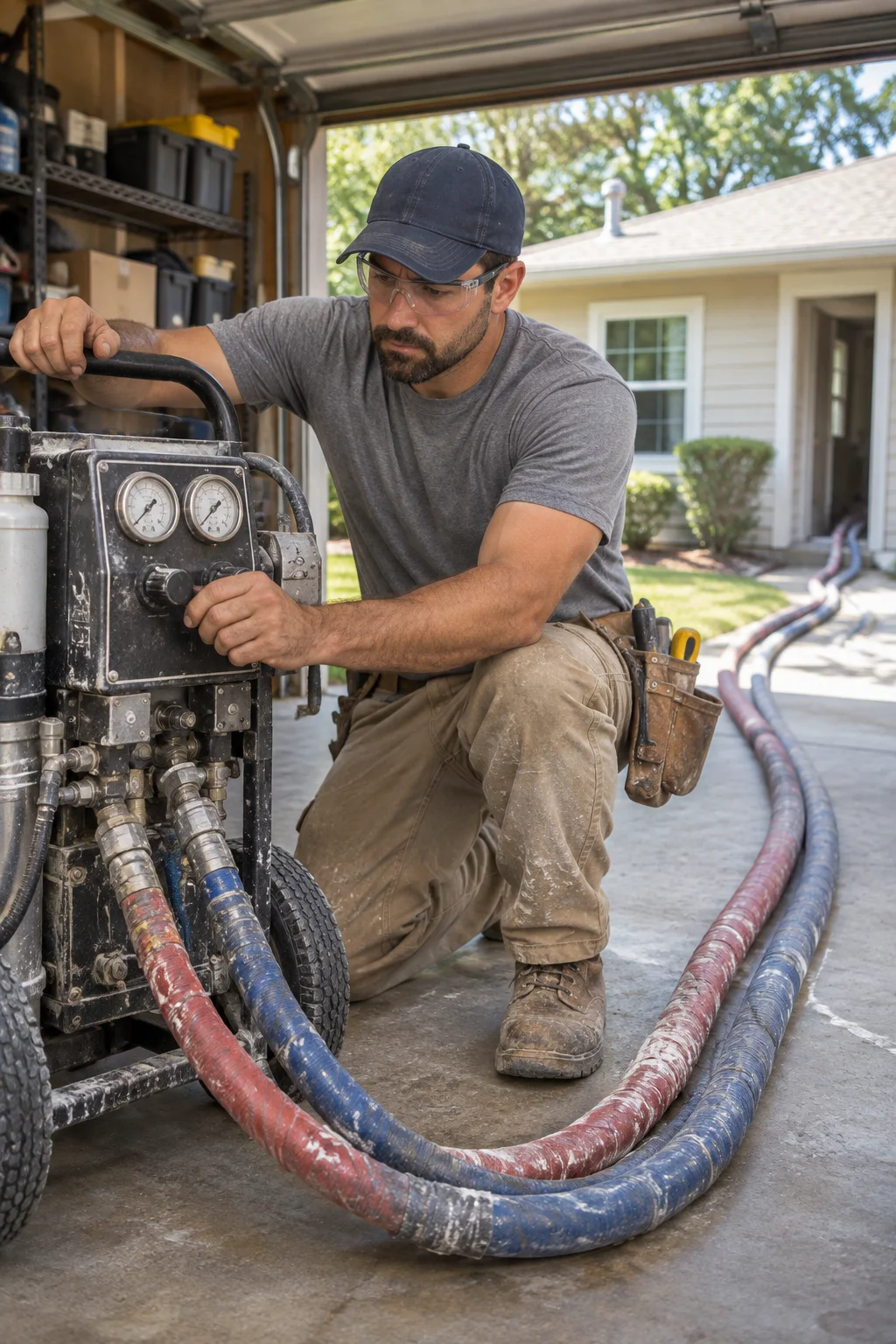
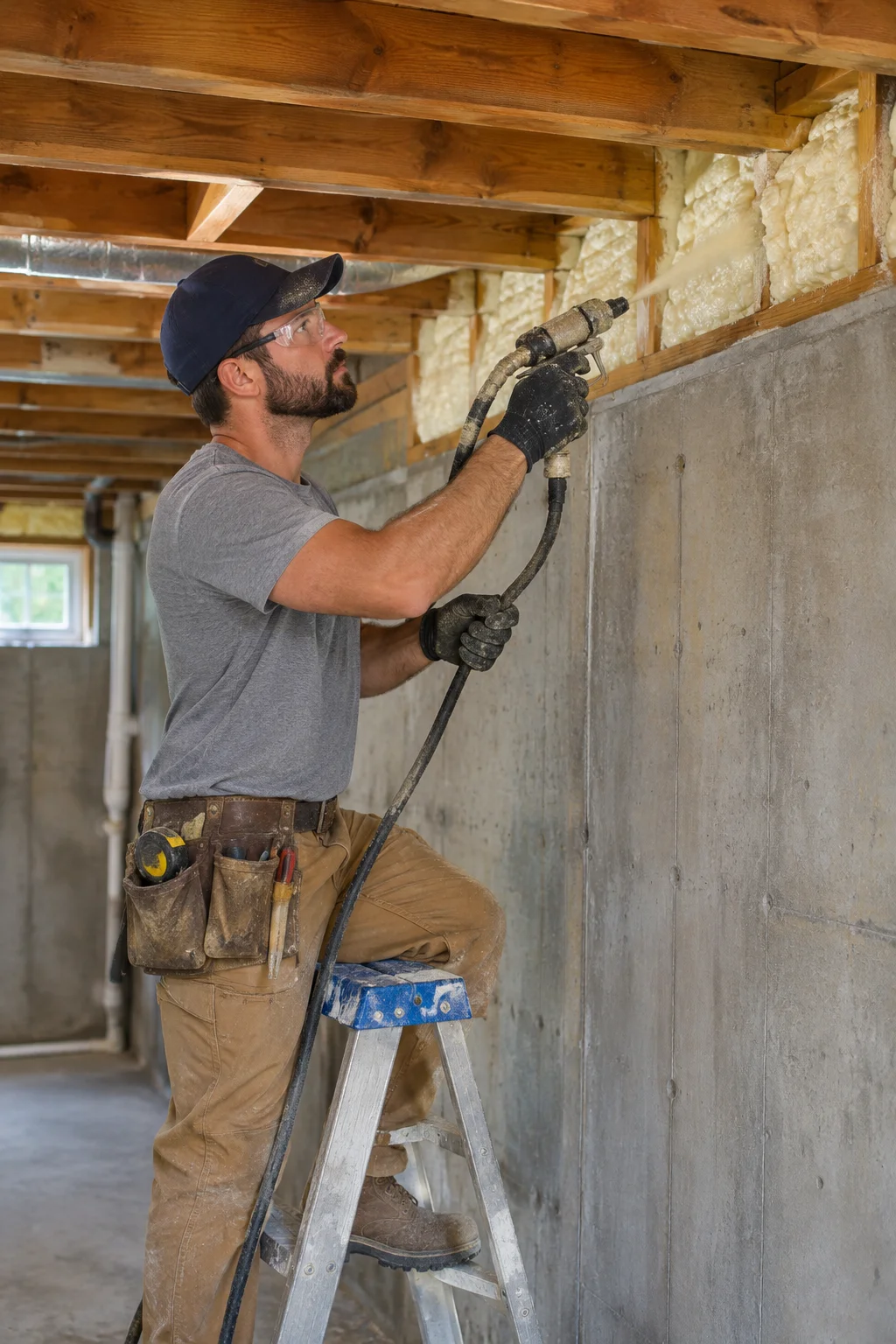
- Professional spray foam application. Trained spray foam technicians apply the foam in even passes with a plural-component spray rig that controls temperature and mix ratio. For roof deck work, that includes rafter insulation and spray foam roofline insulation.
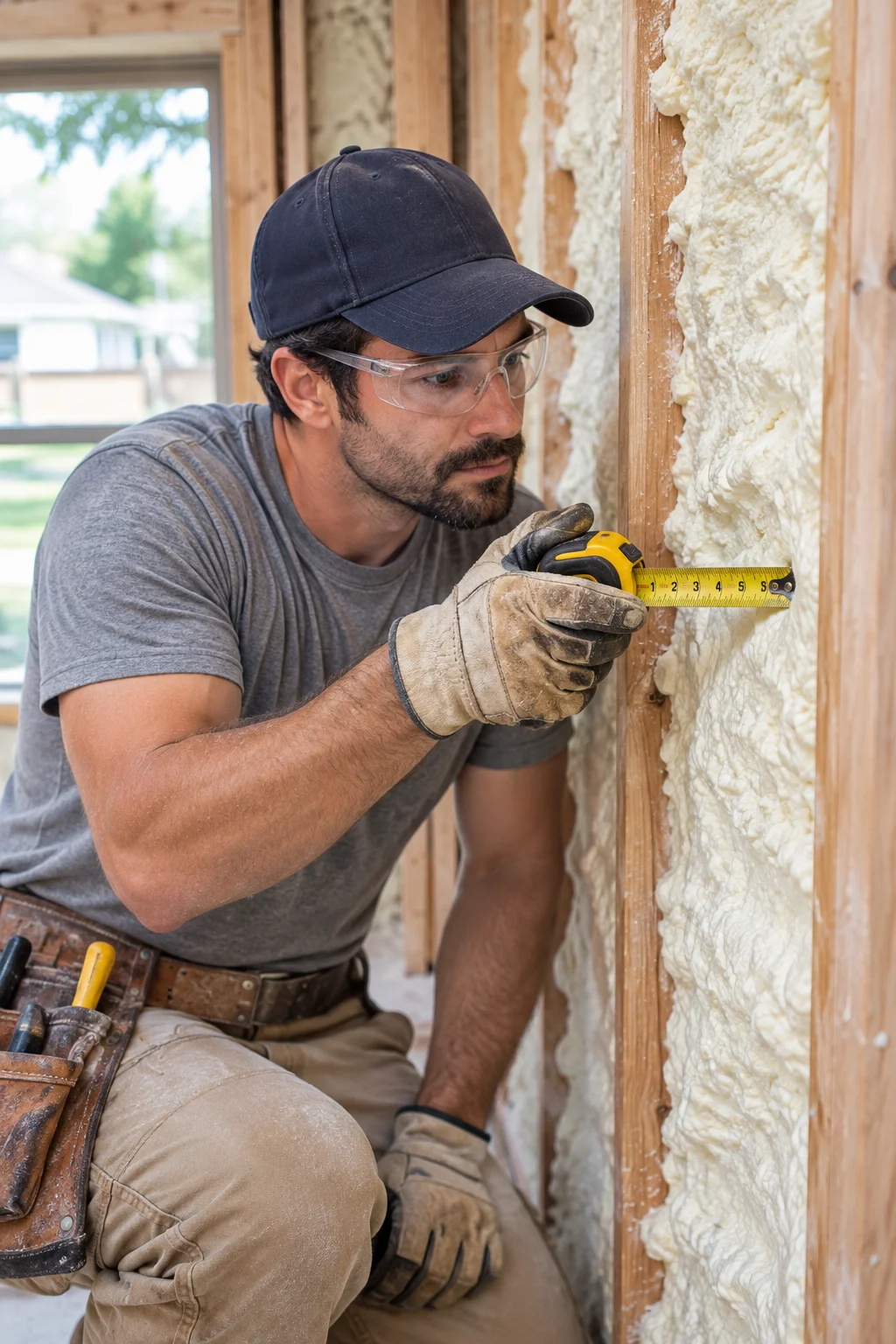
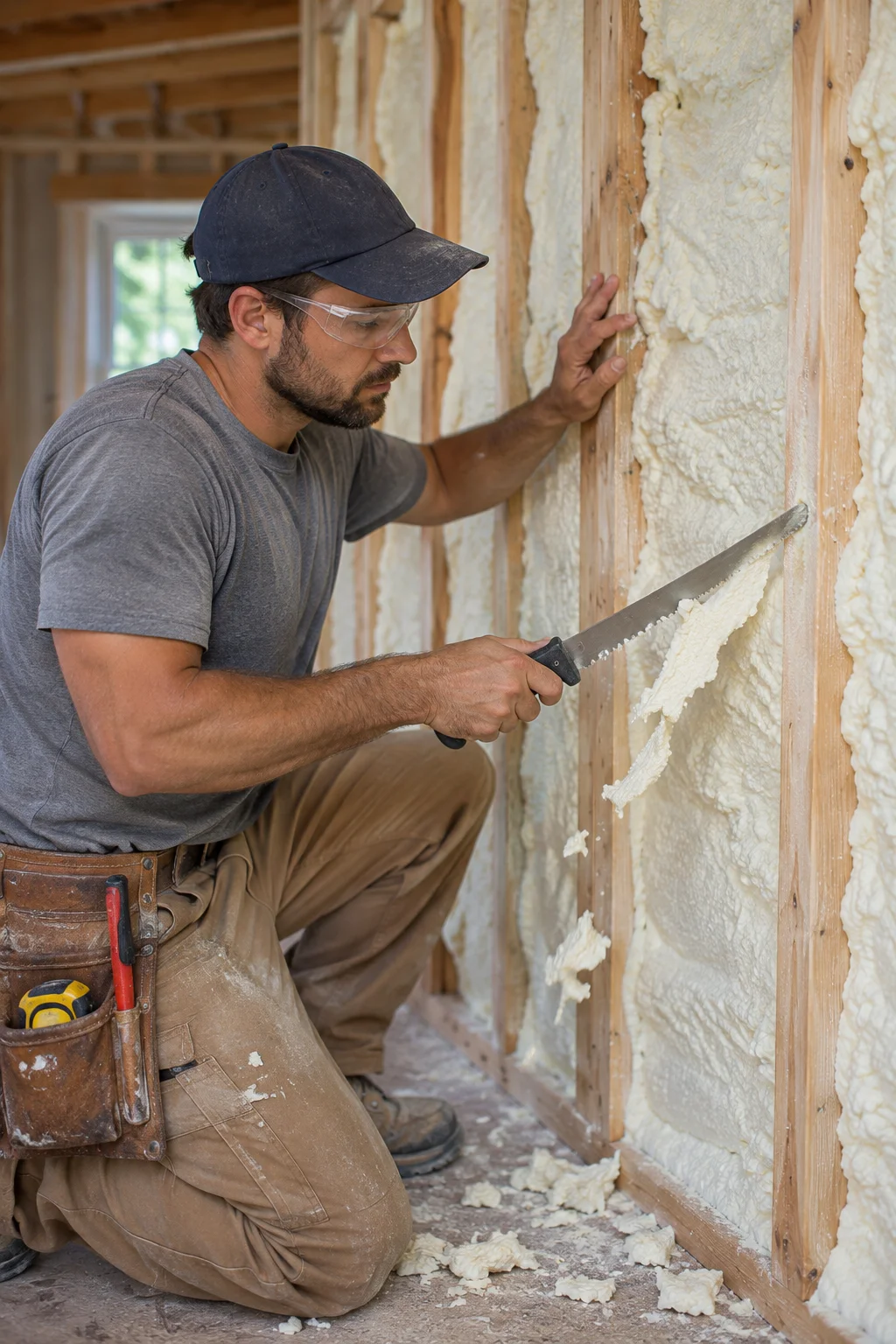
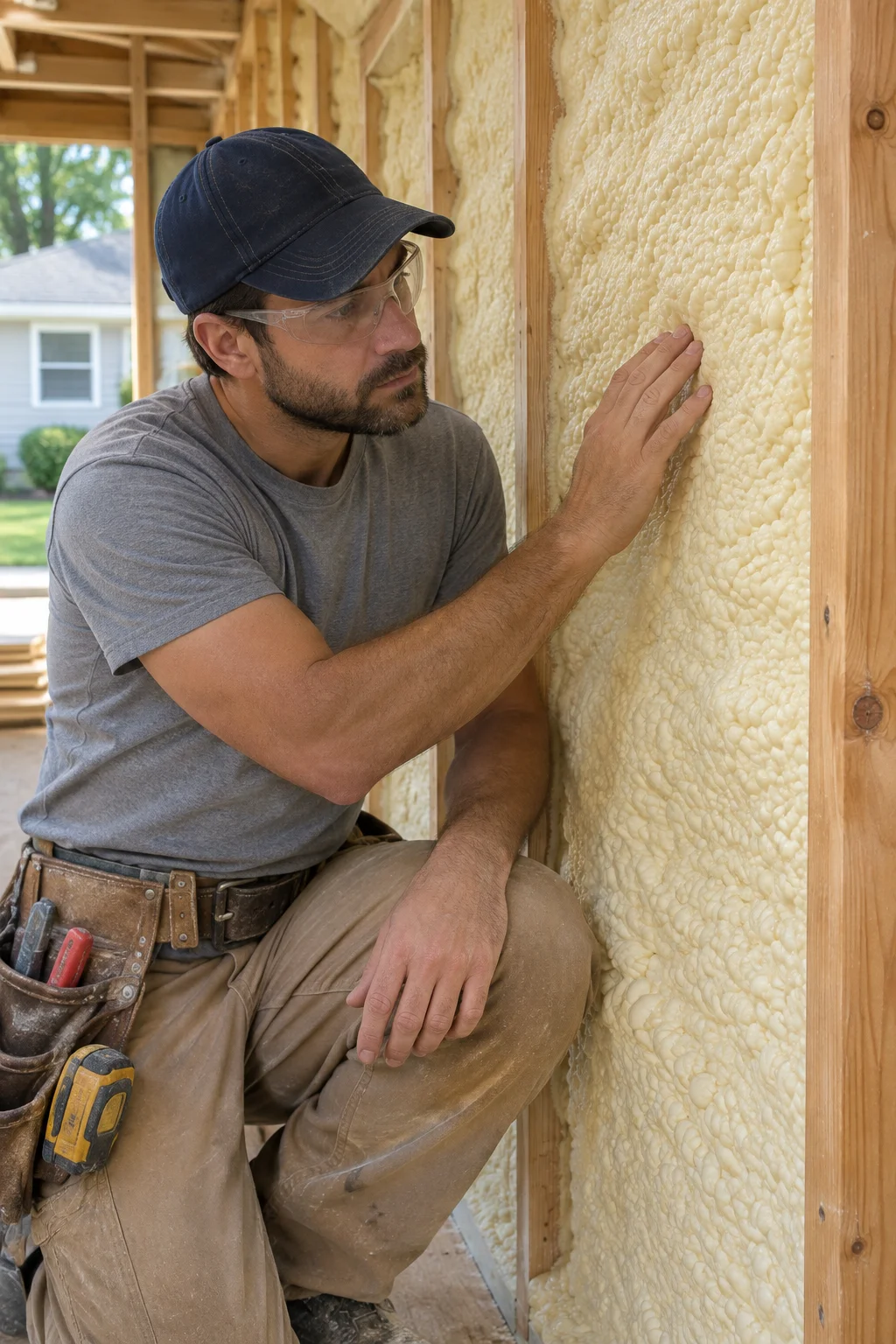
- Quality check. Thickness, coverage, and edges are inspected against the plan. Blower door testing can confirm how much the attic air sealing improved the home's airtightness.
- Cleanup and walkthrough. The job site is left clean and free of debris, and the crew explains what was installed and where.
Spray Foam Attic Insulation Cost Factors in Manteca
Price depends on the attic's size, the foam type, the thickness, and the condition of what is already there. The ranges below are general estimates for the Central Valley region, not quotes. Your actual cost depends on an in-person look at the attic.
| Scope of Work | Typical Range |
|---|---|
| Open cell foam, roof deck or rafters (per sq ft of surface) | $1.75 – $3.25 |
| Closed cell foam, roof deck or rafters (per sq ft of surface) | $2.75 – $5.00 |
| Attic floor foam application (per sq ft) | $1.50 – $3.50 |
| Old insulation removal (per sq ft) | $1.00 – $2.50 |
| Standalone attic air sealing (per attic) | $500 – $1,800 |
| Complete attic project, average-size home | $4,000 – $12,000 |
Several factors move a project up or down within those ranges:
- Total attic square footage and roof pitch
- Open cell versus closed cell foam, and the thickness needed for the target R-value performance
- Amount of old insulation removal and cleanup
- Access, including hatch size, low clearance, and obstructions
- Condition of the roof deck and any repairs needed beforehand
- Complexity of ducts, framing, and penetrations
Closed cell costs more per inch but delivers higher R-value per inch and resists moisture. Open cell costs less and works well for air sealing and sound control. Our specialists help you weigh the tradeoff against your energy goals, not just the price, and the written scope lists the foam type, thickness, and work area.
Safety and Code Compliance
Foam in an attic is a building assembly, and it falls under California's energy and building requirements. Rules on ignition barriers, thermal barriers, and the treatment of accessible attic spaces can apply, depending on the design. Each job is planned with those requirements in mind, and homeowners should confirm specifics with the local building department when a permit is involved.
Safety-focused procedures guide how our crews work:
- Combustion appliances, flues, and recessed lights need proper clearances and venting.
- Unvented attic assemblies need the right foam type and thickness to manage moisture.
- Foam needs proper mixing and temperature control to cure correctly.
- Occupants and pets should stay out of the home during application and for the re-entry period specified by the manufacturer and the crew.
- Technicians follow clean and safe job site practices, including protective equipment and ventilation.
Why Choose Our Spray Foam Attic Insulation Team
Manteca Spray Foam Pros is a locally owned spray foam company, and our crews know the attics in this area. Over 7 years, our technicians have worked in the heat load of older homes and the tight, low-clearance framing of newer construction across Manteca. That field experience shapes what we recommend.
- Experienced spray foam installers who handle the rig, the prep, and the finish
- Diagnostic testing with thermal imaging, moisture meters, and blower door testing, so decisions rest on measurements
- Straight advice. If your attic needs a different approach, you will hear it before work starts
- Quality workmanship and a tidy job site from the first day to the last
- A clear scope in writing, so you know what is included before work begins
Many homeowners see lower cooling costs, improved indoor comfort, and a quieter home interior, though results vary by home. A well-sealed attic can also reduce strain on the air conditioner, which may support longer HVAC system life.
Recent Spray Foam Attic Projects in Manteca
Recent attic work in the Manteca area generally falls into a few types:
- Roof deck conversion in a ranch-style home. The crew removed thin, settled insulation, sealed the roofline, and sprayed the underside of the deck to bring the ducts inside the conditioned space.
- Attic floor upgrade in a newer subdivision. The crew air-sealed the attic bypasses and applied foam over the ceiling plane to calm hot upstairs rooms.
- Outbuilding and small commercial space. The crew insulated a shop attic to steady temperatures for equipment and staff.
Each project began with an inspection and ended with a walkthrough. Project photos and details can be shared when you contact us.
Schedule a Spray Foam Attic Insulation Assessment in Manteca
If your upstairs runs hot or your energy bills keep rising, an attic assessment is the right first step. Our technicians will inspect the space, explain your options, and put a customized insulation plan in writing.
Contact Manteca Spray Foam Pros at our office, 2339 W Yosemite Ave Suite 2, Manteca, CA 95337. Our office hours are Monday through Friday, 8:00 a.m. to 5:00 p.m. Reach out during those hours to set up your attic inspection.
Related: Spray Foam Roofing